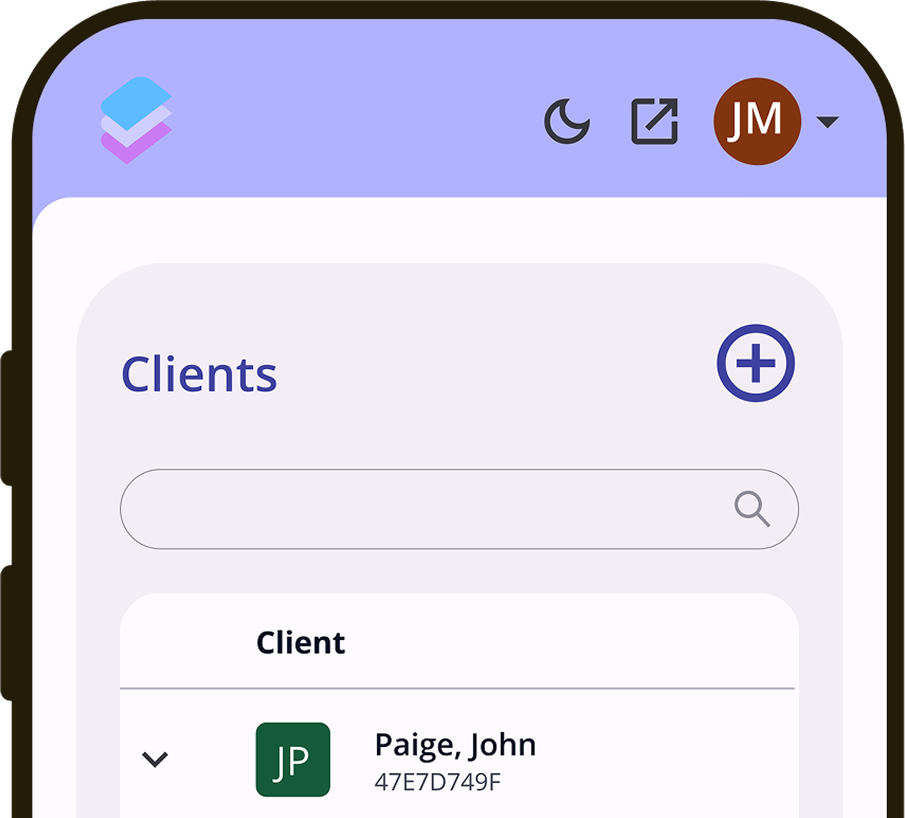
A Strong Foundation for Miami-Dade’s No Wrong Door Strategy
Miami-Dade's homelessness response is entering a critical period, and as No Wrong Door gains momentum, the infrastructure behind it matters more than ever. Clarity Human Services is a modern, purpose-built HMIS designed specifically for coordinated entry at scale, with standardized assessments, referral management, community queues, real-time alerts, and reporting that serves both frontline staff and system-level leadership.
The result is not just smoother operations today, but long-term confidence as Miami-Dade builds a more connected response system for 2026 and beyond.
Clarity for Miami-Dade: Built for Coordination, Designed for People
Clarity supports Miami-Dade in delivering connected, person-centered homelessness response while strengthening confidence in the system behind the work. Every part of the platform is designed to reduce operational friction, and remove barriers to entry to support a more durable No Wrong Door model tomorrow.
Miami-Dade is already moving toward a more connected response model: data sharing with healthcare partners, faster street-response coordination, broader partner onboarding, and exploration of data warehousing and clearinghouse integration. These are signals of a system evolving. The risk is not that Miami lacks direction. The risk is that the platform underneath that direction cannot keep up.
A Foundation Built to Coordinate
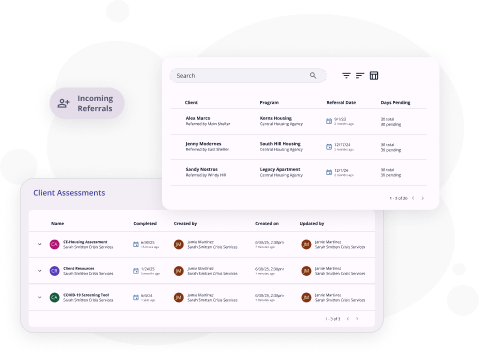
No Wrong Door requires more than a shared commitment across agencies. It requires infrastructure that holds the entire coordinated entry process together—standardized assessments that create a common language across every provider, referral workflows that move people toward housing without falling into email threads, community queues that give every agency a live picture of capacity and prioritization, and alerts that surface when someone falls out of contact before they disappear between touchpoints.
Shared commitment matters. But without infrastructure that can hold all of that together, alignment still depends on the person willing to chase it down.
Clarity helps communities connect information, strengthen visibility, and coordinate care through one more unified operating environment. With flexible configuration, secure data exchange, and tools designed for homelessness response, Clarity gives Miami-Dade a stronger foundation for making No Wrong Door real at scale.
Clients Need a Front Door Too
A more connected system should not only make work easier for staff. It should also help people seeking services stay connected between touchpoints.Clarity’s client portal functionality helps extend case management beyond in-person interaction, giving communities another way to support engagement, information sharing, and continuity from first contact through follow-up.

Local Rules, Local Workflows
Miami-Dade’s homelessness response spans municipalities, partners, outreach teams, healthcare relationships, and local processes. A modern HMIS needs to support that complexity without forcing staff into side tools or extra IT work.Clarity supports locally configurable workflows and custom assessments, making it easier to reflect how Miami actually operates while maintaining consistency, visibility, and accountability across the system.
Reliable Data for Better Coordination
Reliable data is not about generating more reports. It is about knowing which information can be trusted when it matters most.Clarity supports stronger data quality through import tools, matching logic, deduplication, and quality checks that help reduce duplicate or incomplete records from partner sources. By reducing manual cleanup and improving confidence in incoming data, Clarity helps communities turn information into a more useful operational asset.
Field-Ready Coordination
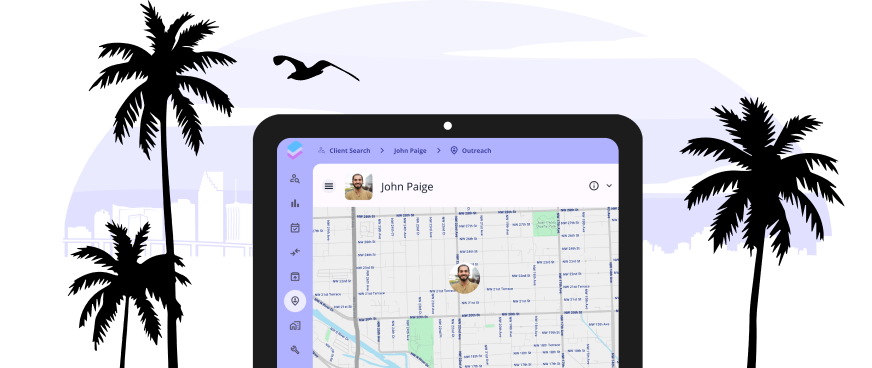
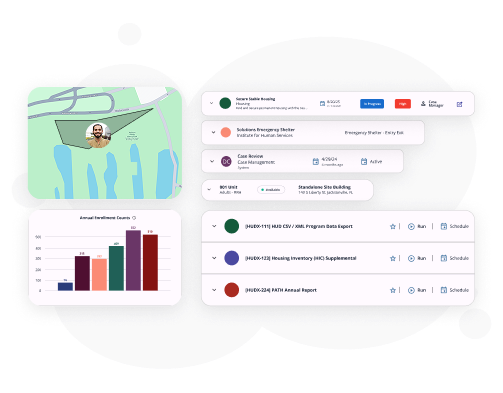
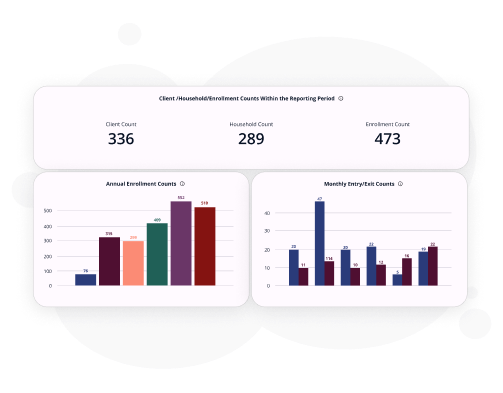
Street response depends on timely visibility. When outreach teams toggle between systems for mapping, client records, assessments, and follow-up, response slows and the picture fragments.Clarity brings embedded GIS, client records, assessments, dashboards, and outreach workflows into one environment, helping teams coordinate from first contact through follow-up with fewer gaps and less duplication.
Why Switching Can Be the Safer Choice
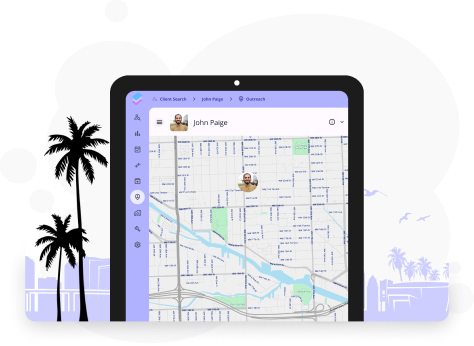
HMIS decisions are long-term commitments. Remaining on an inflexible or uncertain platform carries its own risks, especially as Miami-Dade’s No Wrong Door strategy becomes more ambitious and the next contract cycle approaches.Clarity’s transition methodology is designed to reduce disruption and protect continuity. Dedicated onboarding teams guide communities through structured data mapping, controlled implementation, and adoption-focused training. Optional professional services provide additional stability for communities that want deeper operational support over time.
This approach replaces uncertainty with predictability and change with control.
Trusted by Communities Nationwide
From large metros to rural regions, communities across the country rely on Clarity Human Services to strengthen their homelessness response and support more housing successes.

Is Miami-Dade’s HMIS a Good Fit for No Wrong Door
Does your current system support shared visibility, client engagement, local configuration, data quality, field coordination, and long-term confidence? If not, it may be time to take a closer look at a better option. Explore how Clarity compares across the factors that matter most as Miami-Dade prepares for a more connected No Wrong Door model and the next contract cycle.
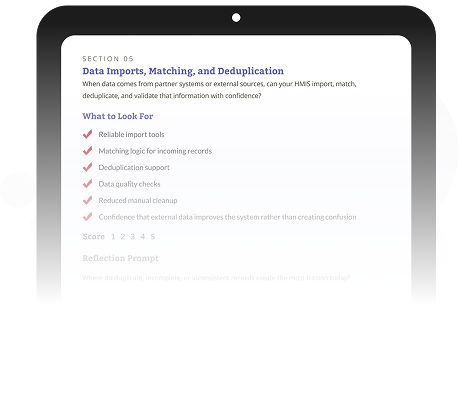
Score your current HMIS across:
- Cross-municipality coordination
- Client engagement and portal access
- Configurable assessments and local workflows
- Data imports, matching, and deduplication
- Outreach, GIS, and real-time visibility
- Reporting access and operational dashboards
- Migration readiness and transition confidence
Your Path to Clarity
Transitioning systems should never feel like a gamble. Clarity’s transition approach is designed to be controlled, predictable, and accountable so communities can move forward with confidence, not uncertainty.

Data Mapping with Forethought
Before anything moves, our transition teams work with communities to map existing data in detail. From HUD data to custom data, everything is covered. This upfront diligence gets your Clarity system up and running with clean data and accurate data mapping from one system to the next.
This reduces the risk of surprises later, ensuring nothing critical is missed or discovered too late. The result is a transition grounded in clarity about what exists today and how it carries forward.

Tailored Implementation
Clarity implementations are phased, deliberate, and tailor-fit to maintain continuity. Roles, timelines, and ownership are clearly defined, and operational workflows remain supported throughout the transition.
Rather than disruption, the process emphasizes efficiency through shared focus—so switching systems feels predictable, steady, and well-managed.

Adoption-Ready Training
Training is structured around real-world use and post–go-live accountability, ensuring teams are prepared to use the system immediately. The goal isn’t just familiarity—it’s confidence.
By the time Clarity is live, users will be able to understand how the system supports their responsibilities and will be able to complete workflows with consistency from day one.

Long-Term Support
Modernization does not end at launch. Bitfocus supports communities as requirements evolve, workflows change, and leaders need continued confidence in the system underneath their strategy.
Optional professional services provide additional stability for communities that want deeper operational support over time.
Start Building Confidence for What Comes Next